part of SIGN 1988-2018 (WIP)
Traces in the Landscape
THEA KRAMER on HELMUT WAMS - 1989
Helmut Wams - "Pinocchio's Letter"
19 December 1989 through 20 January 1990
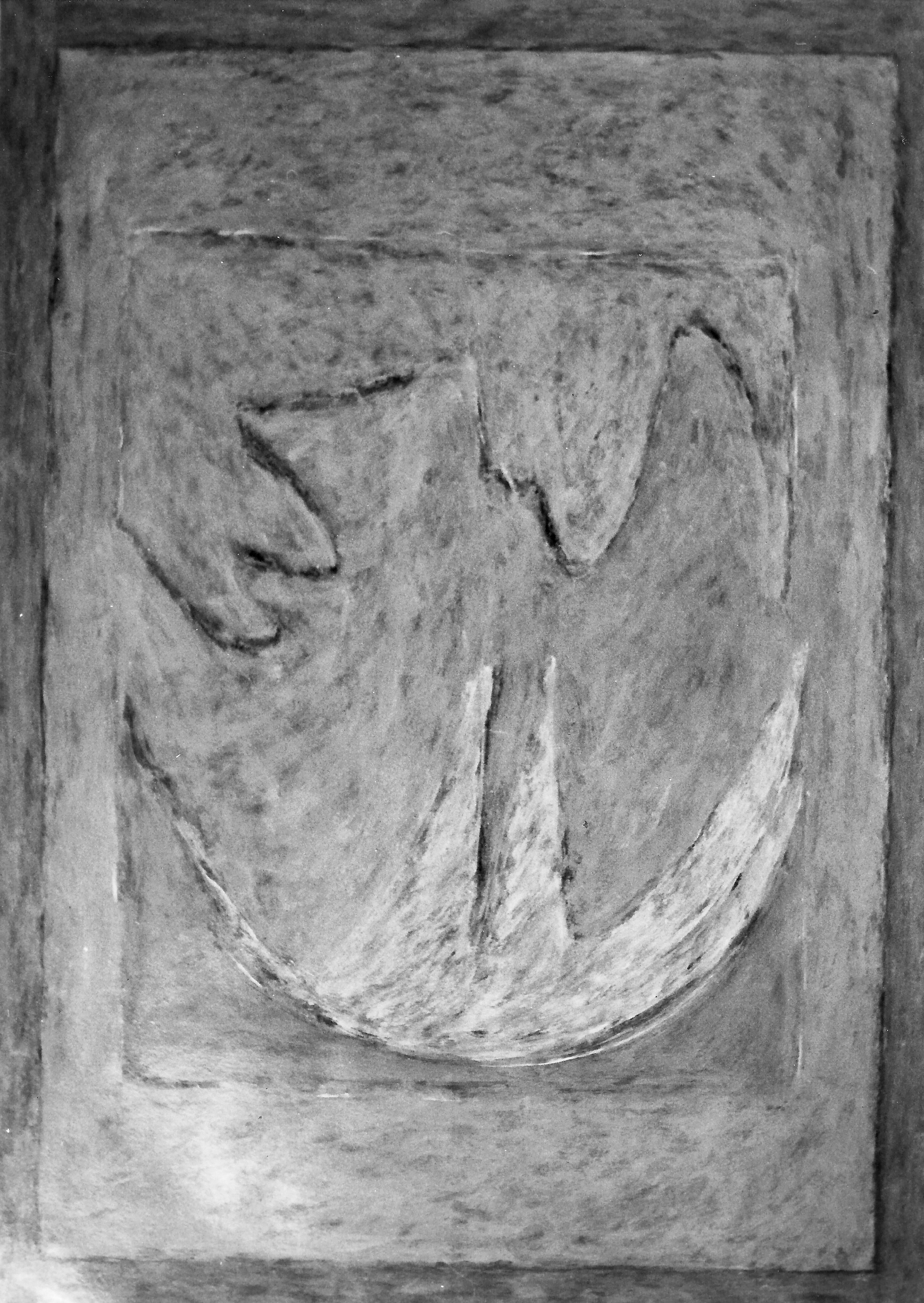
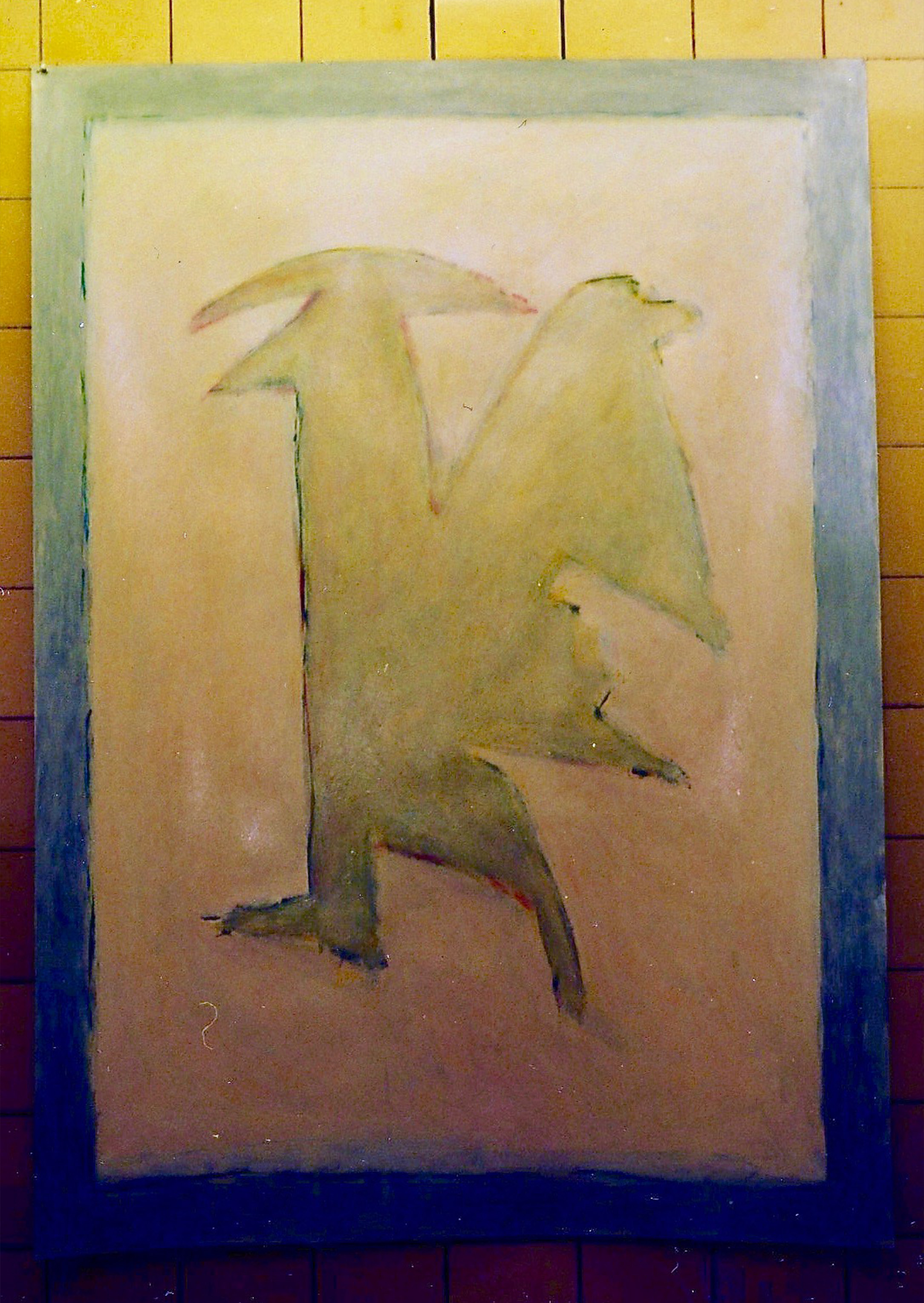
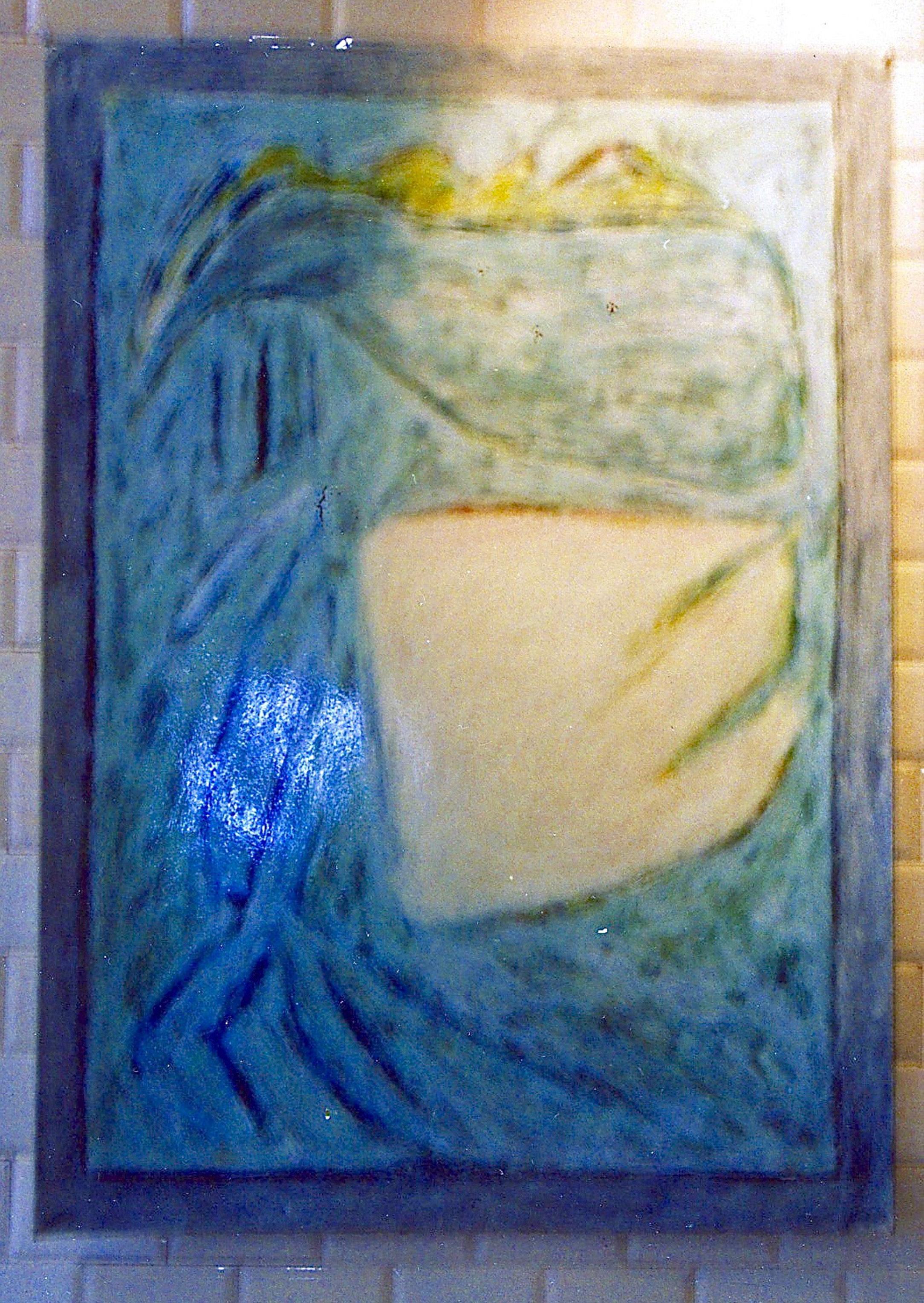
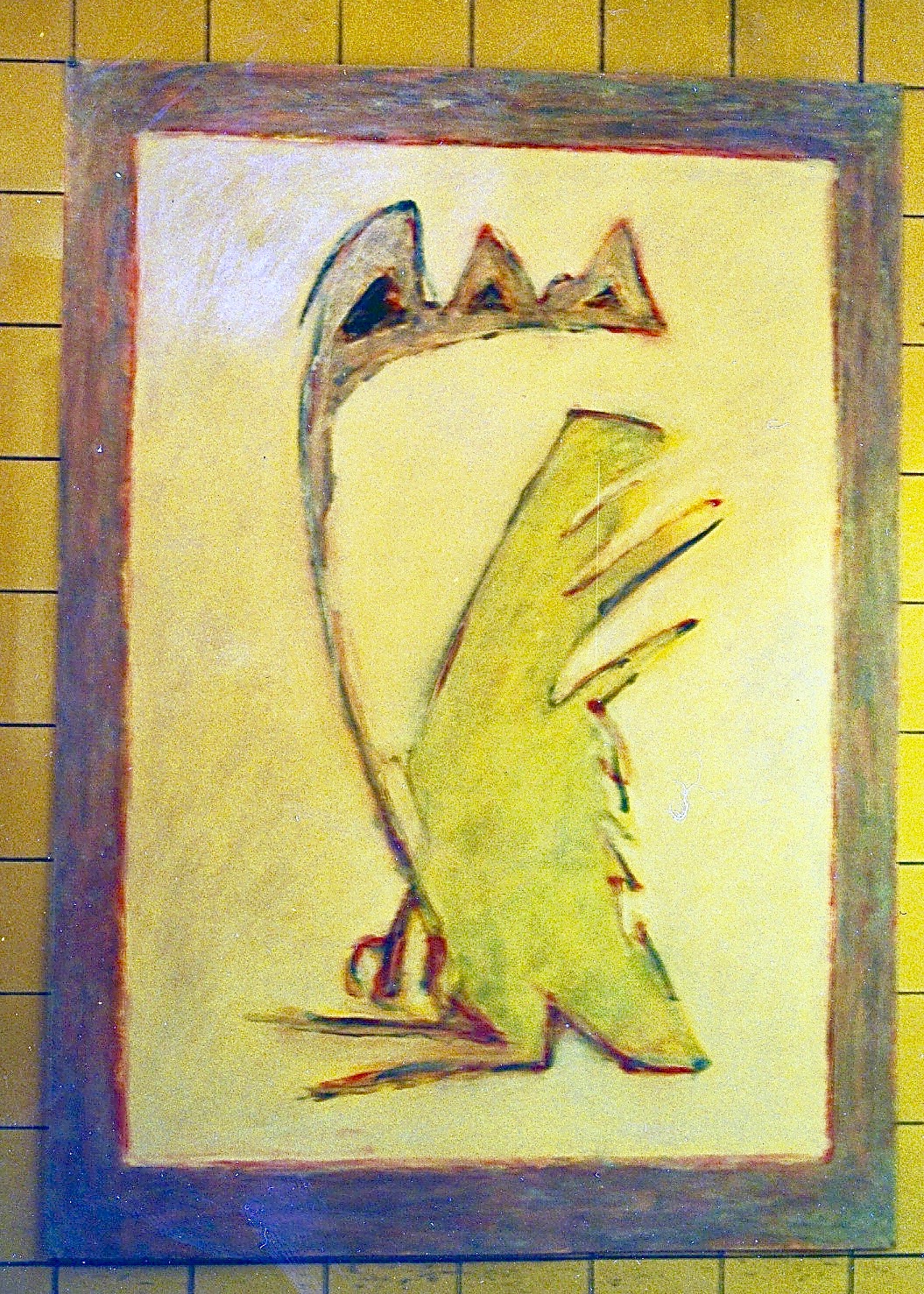
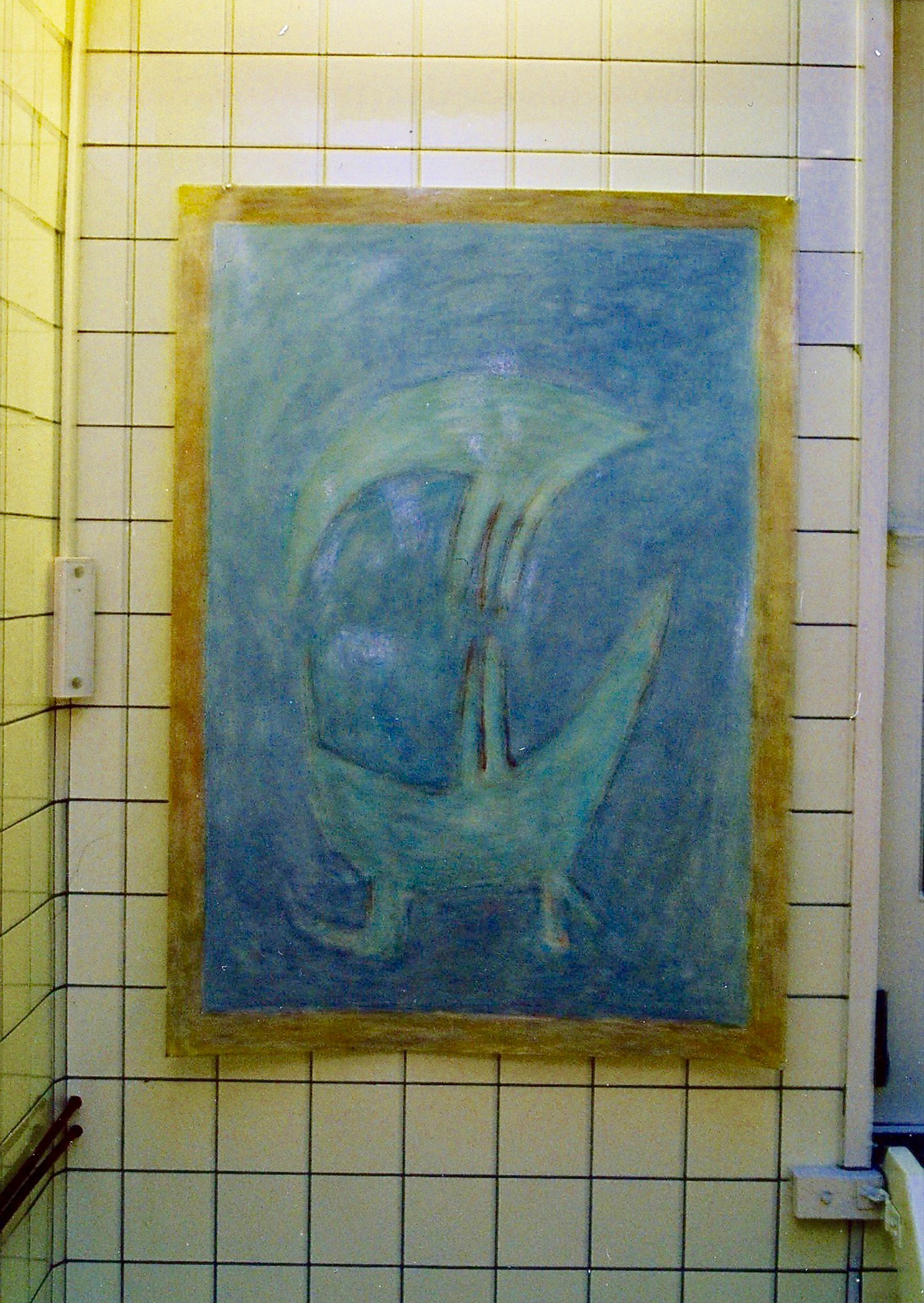
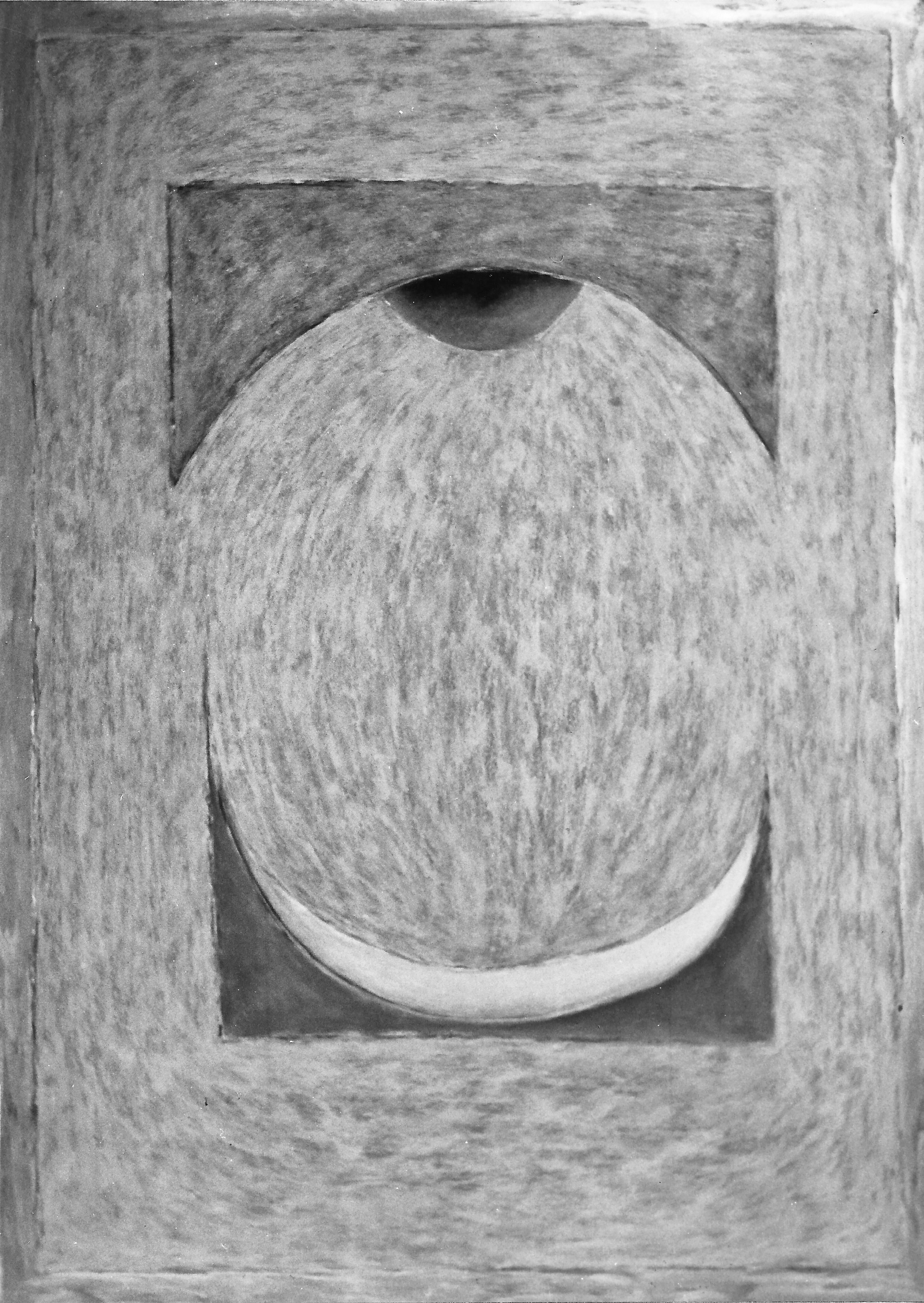
"Pinocchio's Letter" will consist of 70 painted sheets, which together form a diary of the artist's journey. This journey covers 7 days, with ten moments of each day being highlighted. The images include the Homeric walk through the landscape, encounters and self-portraits.
 |  |  |
 |  |  |
Traces in the Landscape
The work exhibited in the project "Pinocchio's Letter" by Helmut Wams immediately stands out due to its size and the special use of paint. Wams paints 6 to 7 thin layers of oil, acrylic and varnish paint over each other on large sheets of impregnated paper. This creates a transparent effect. The brushstroke remains visible and thus becomes an important part of the content: 'the handwriting must be visible as a trace in the landscape,' according to Wams. At first glance, the silence in the work is visible. his paintings are reminiscent of the static altarpieces from the Middle Ages, which each tell their own story. However, upon closer inspection, contrasts emerge that bring dynamics to the work and make it exciting. Suddenly, in the hushed work, a figure appears that moves almost aggressively through the landscape. Those contrasts are also evident in the use of colour and materials. The often monochrome work is interrupted by bright, sometimes luminous accents. The white in particular seems to radiate; this is further enhanced by the shiny top layer. Other forms are emphasised precisely because they are painted in a matte finish. The silence is not only broken by the aforementioned means, but also in the images. In the abstract landscapes, you can recognise figurative forms: a bird that spreads its wings, startled, a human figure that seems to walk out of the image. The landscapes invite dynamics. The colours, for instance, refer to the changing of day and night or to the shifting of light from east to west. The quiet, feminine-looking forms lie heavily in place and are shielded at the top and bottom; the sides open as if for influences from outside. The forms are thus kept in balance. this balance Wams refines further by enclosing the fairly monumental work with a painted frame. it makes the work more intimate; you could call it a reduction. Reduction is an important driving force and is present throughout his oeuvre. This can be described as an attempt to make all experience manageable by abstracting it further and further until only the essence remains. then, reduced to what it is now, the painting has become autonomous and the (cyclical) process can begin anew. the expression of experiences and the handling of what he has seen, the artist uses to give a new understanding to things. Painting is a processing process for him and an instrument to show that; he himself calls it 'inventing his own magic'. These drives are not directly visible; you have to use your own feelings to understand the work and give it your own meaning. Helmut Wams' work offers space for that. His starting point could be called expressionistic, the most direct possible representation of impressions from society, nature and his personal life. this finds its expression in "Pinocchio's Letter", on which the artist is still working at this moment. "Pinocchio's Letter" is the visualisation of a seven-day journey through the landscape in which Helmut was inspired by the Spanish countryside. From each day he captured ten moments. these can be encounters with nature, himself or others. These daily recurring registrations together form a diary of seventy painted sheets. In this way, the artist 'describes' his personal journey and we can walk a little way with him.